Understanding homelessness

Myths About Homelessness

There are many myths and misunderstandings about homelessness that take the focus of conversations away from solutions. Check out our homelessness mythbusters posters below to learn some of the most common misconceptions.
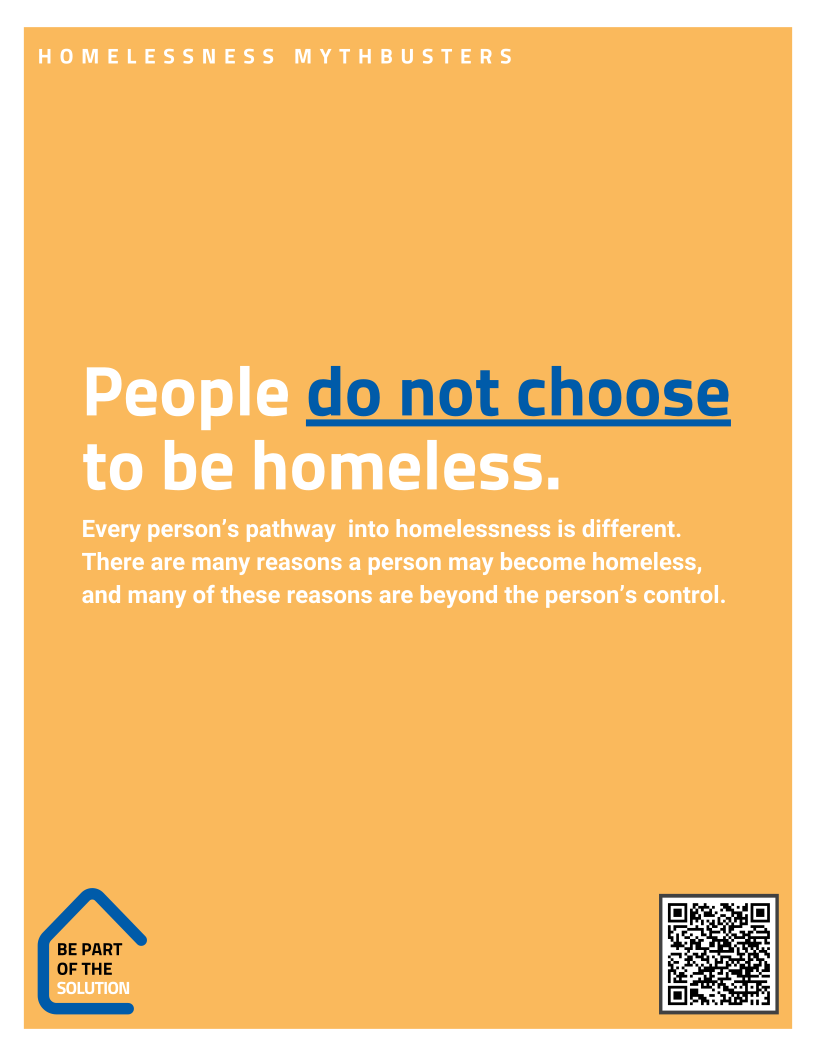
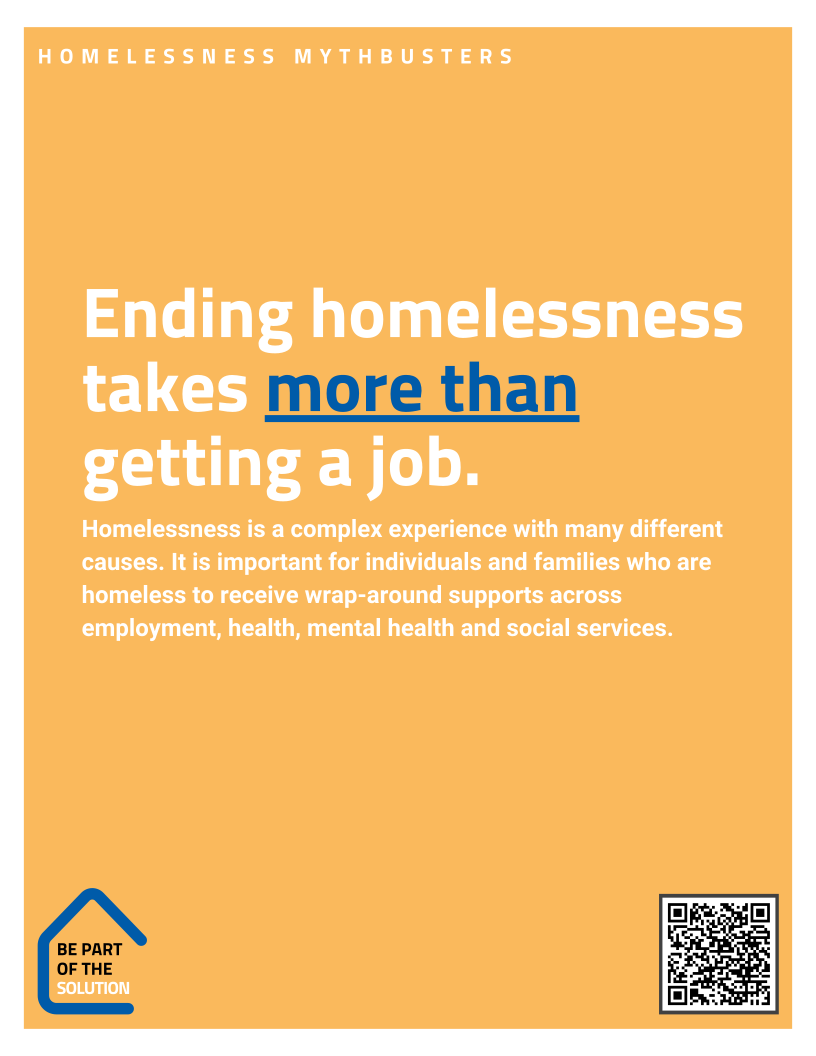
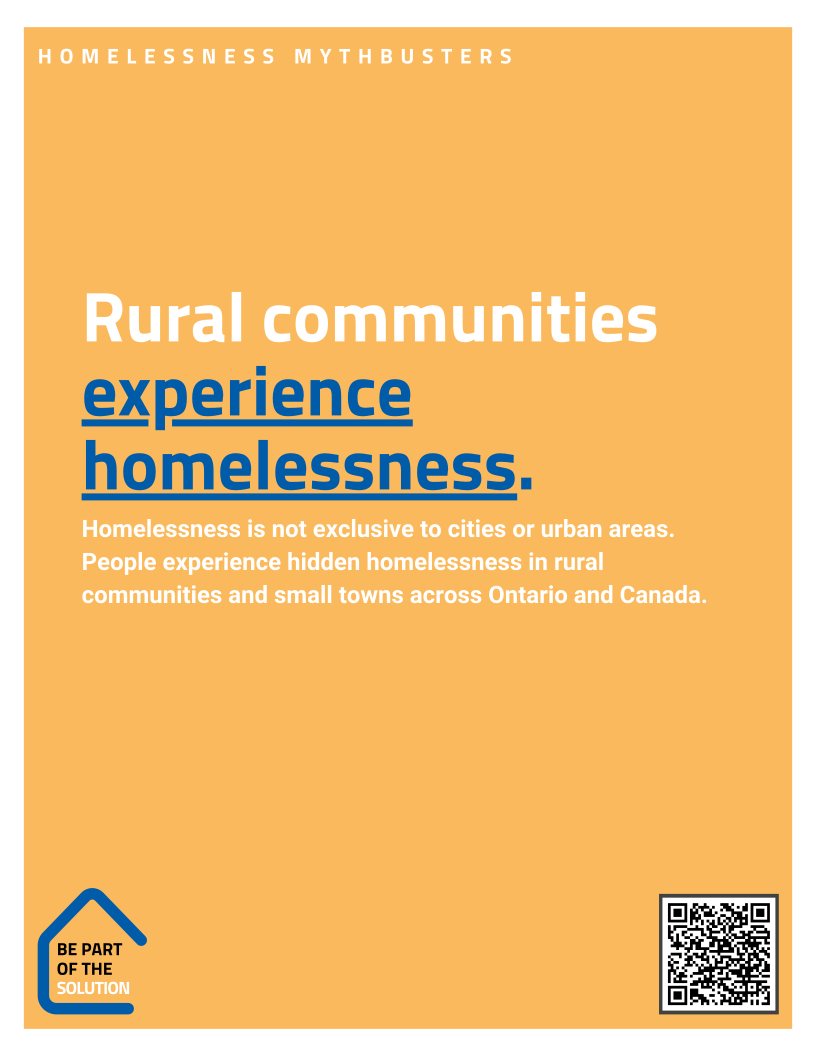
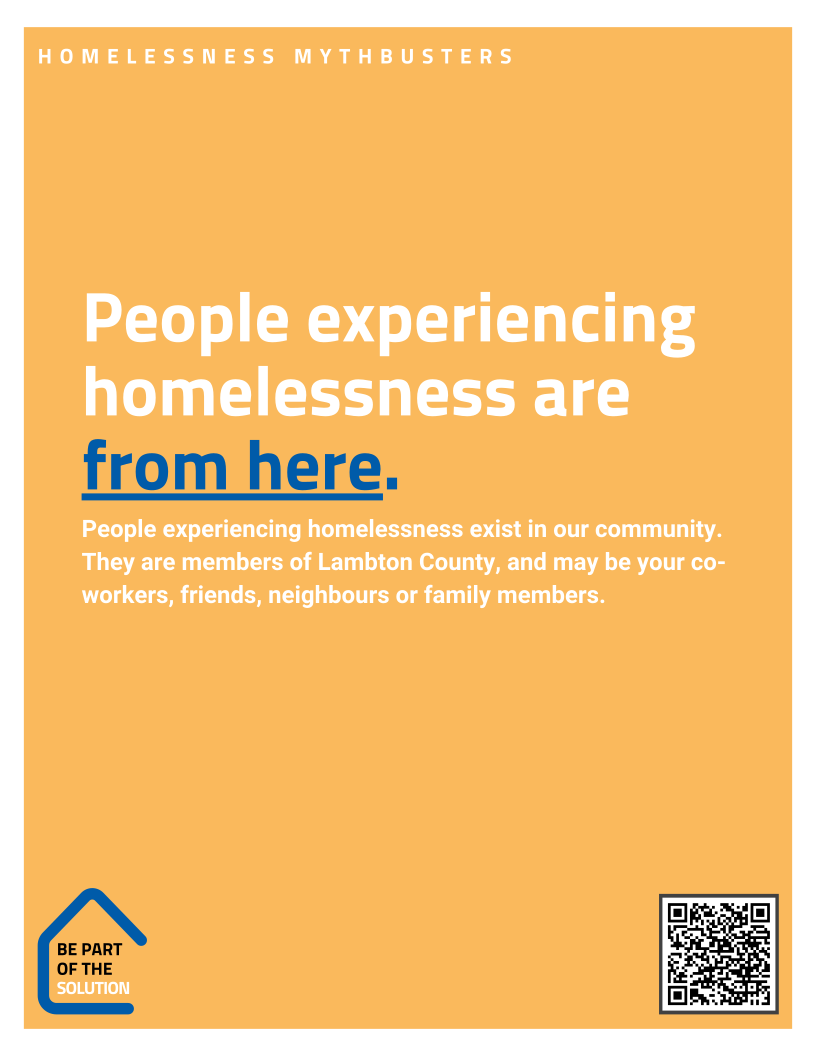
"People do not choose to be homeless" poster with the Be Part of the Solution logo."Ending homelessness takes more than getting a job" poster with the Be Part of the Solution logo."Rural communities experience homelessness" poster with the Be Part of the Solution logo."People experiencing homelessness are from here" poster with the Be Part of the Solution logo.

What Are the Root Causes of Homelessness?

There are many reasons why someone may become homeless. Housing loss is often not due to one event, but many overlapping events and circumstances1,2,3. Many people are experiencing homelessness due to large, nation-wide factors beyond their control. In Canada, some of the most common causes of homelessness are:

System Factors

  • a lack of affordable housing
  • rising costs of living
  • increased unemployment
  • discrimination and inequality
  • historical treatment of Indigenous Peoples
  • transitions out of public systems, such as:

Individual Factors

  • relationship breakdown
  • gender-based violence
  • physical health issues
  • mental health issues
  • traumatic events
  • substance use disorders
Recently, national and global emergencies have led to large increases in homelessness across Canada. Job loss and housing evictions increased throughout the COVID-19 pandemic4, leading housed individuals and families into homelessness. The COVID-19 pandemic worsened the health of people already experiencing homelessness, who were five times more likely to die within 21 days of infection5. The ongoing opioid crisis continues to harm people who use drugs while experiencing homelessness, highlighting the need for additional treatment services and supportive housing options. Opioid-related deaths in shelters across Ontario have tripled since 20206, rising by 116%. In comparison, opioid deaths outside of homeless shelters rose by just 13%.

What Are the Costs of Homelessness?

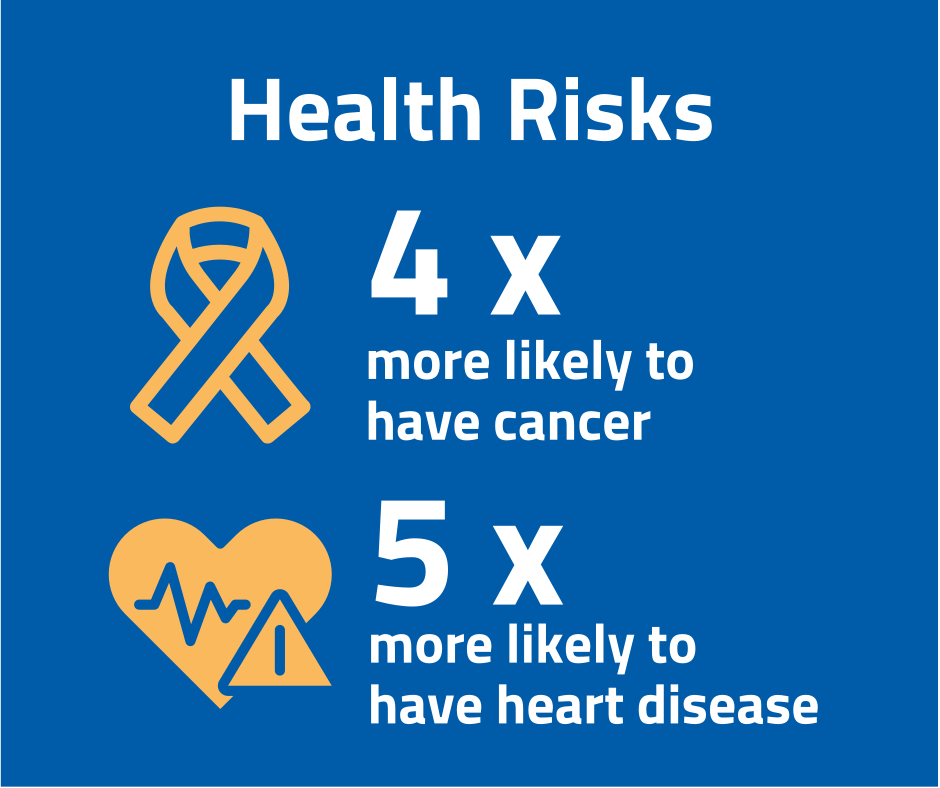
Experiencing homelessness puts people at greater risk for death7, serious long-term health conditions7, and poor mental health8,9. These intersecting health and quality of life disparities lead to the continued loss of people experiencing homelessness from our community, and with them the loss of community potential.
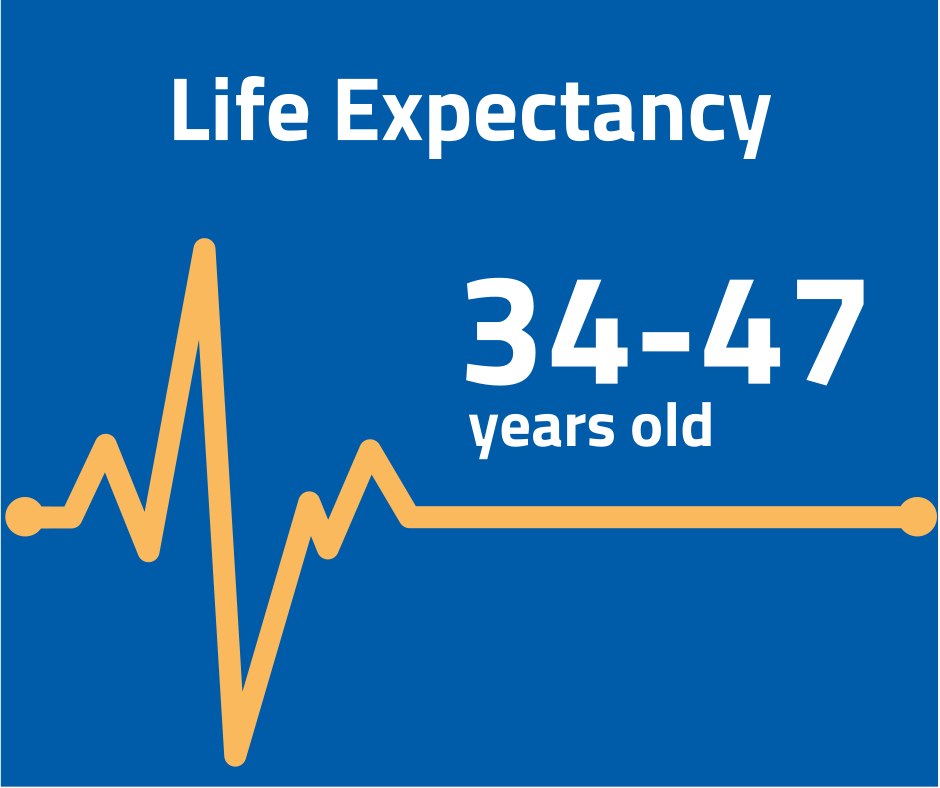
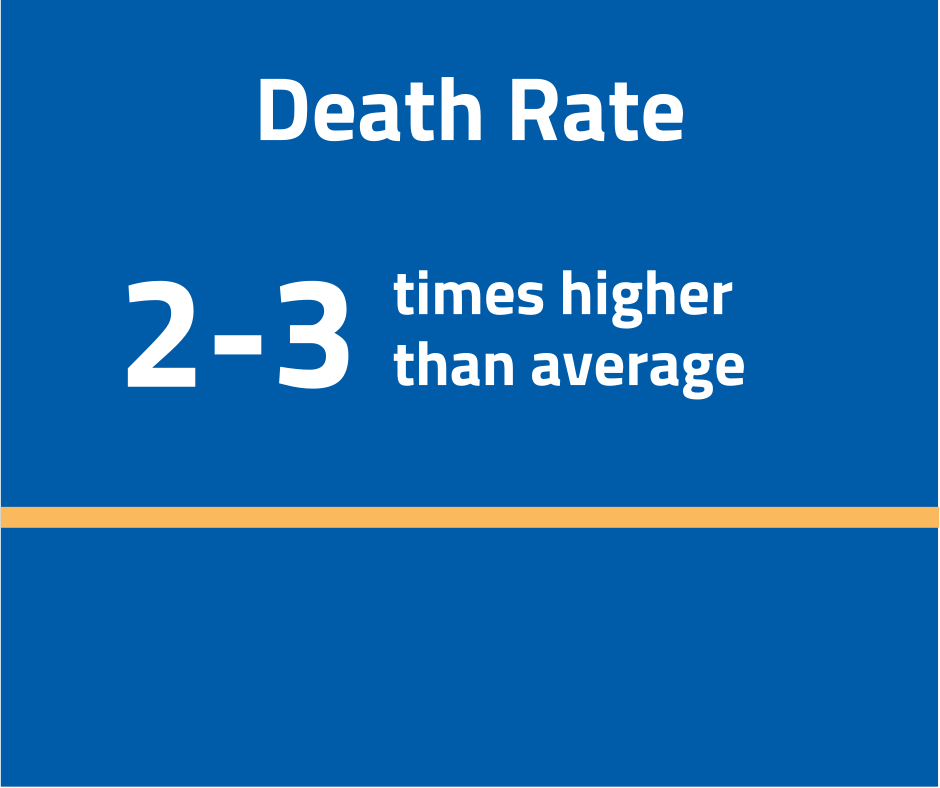
Text depicting life expectancy of people experiencing homelessness as 34-47 years.Text depicting death rate of people experiencing homelessness as 2-3 times higher than the general population.Text depicting cancer as 4 times higher and heart disease as five times higher in people experiencing homelessness than in the general population.

A national shortage of affordable housing has left people experiencing homelessness with limited options for exiting homelessness, and they end up spending long periods of time in institutions that are meant for emergencies and short-term stays11,12. In 2023, the Canada Mortgage and Housing Corporation (CMHC) reported that Canada will need 3.5 million additional housing units10 to restore housing affordability across the Country, in addition to what is already being built. Undue pressure on emergency services and short-term solutions has led to additional government spending across healthcare, corrections and shelter. To address these costs, all three levels of government must participate in a unified approach that prioritises the creation of affordable housing and supportive low-barrier prevention services.
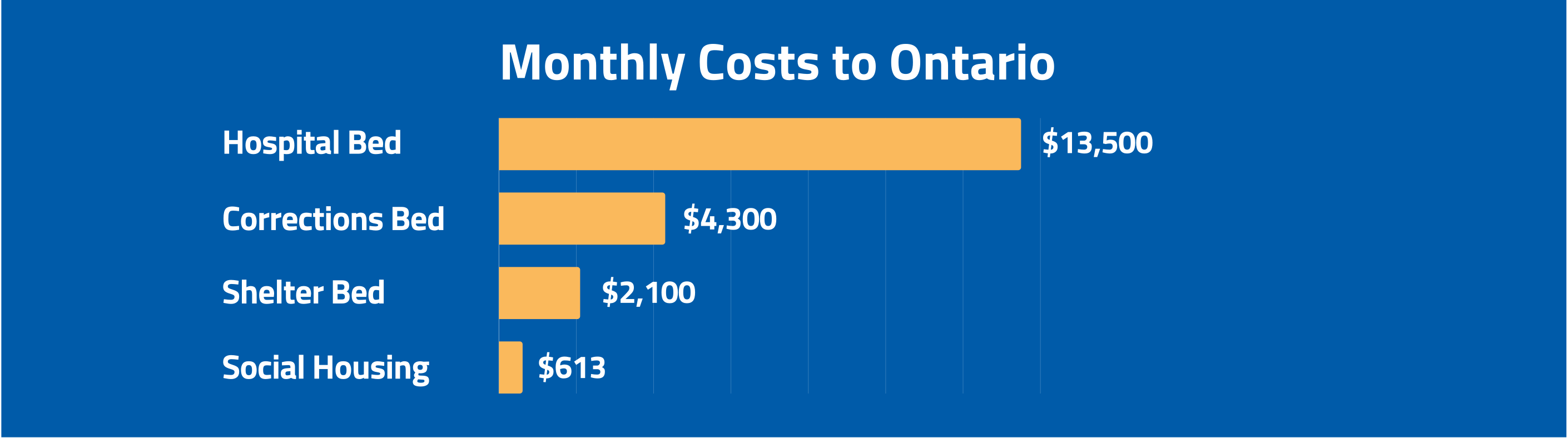
A bar chart indicating the monthly costs of homelessness for provincial institutions. The bars show the following costs; hospital bed $13500 a month, jail bed $3960 a month, shelter bed $2100 a month and social housing for a household $613 a month. Note: These costs were provided by the Ontario Ministry of Housing and the Office of the Auditor General in the Auditor's 2017 Annual Report: Section 3.14 Social and Affordable Housing, Chapter 3, pages 697–700.

References

1. Government of Canada, Statistics Canada, “Homelessness: How Does It Happen?,” Statistics Canada, December 6, 2023, https://www.statcan.gc.ca/o1/en/plus/5170-homelessness-how-does-it-happen.
2. “Causes of Homelessness | The Homeless Hub,” 2021, https://www.homelesshub.ca/about-homelessness/homelessness-101/causes-homelessness.
3. “Indigenous Peoples | The Homeless Hub,” 2021, Indigenous Peoples and Homelessness.
4. Jakob Koziel, Maria Savidov, and Andrea Frick, “A Brief Scan of COVID-19 Impacts on People Experiencing Homelessness: System Impacts and Responses,” by Bissell Centre, https://www.homelesshub.ca/resource/brief-scan-covid-19-impacts-people-experiencing-homelessness.
5. Lucie Richard et al., “Testing, Infection and Complication Rates of COVID-19 Among People With a Recent History of Homelessness in Ontario, Canada: A Retrospective Cohort Study,” CMAJ Open 9, no. 1 (January 1, 2021): E1–9, https://doi.org/10.9778/cmajo.20200287.
6. ODPRN, “Opioid-Related Toxicity Deaths Within Ontario Shelters: Circumstances of Death and Prior Medication & Healthcare Use - ODPRN,” ODPRN -, June 28, 2024, https://odprn.ca/research/publications/opioid-related-toxicity-deaths-within-ontario-shelters/.
7. Canadian Alliance to End Homelessness, “CAEH19 Keynote Speaker Dr. Sandy Buchman: Death Is a Social Justice Issue,” November 20, 2019, https://www.youtube.com/watch?v=VOVSe2BwvKM.
8. “Mental Health and Homelessness in Canada | The Homeless Hub,” 2021, https://www.homelesshub.ca/blog/mental-health-and-homelessness-canada.
9. “Mental Illness and Addiction: Facts and Statistics,” CAMH, 2007, https://www.camh.ca/en/driving-change/the-crisis-is-real/mental-health-statistics.
11. “Cost Analysis of Homelessness | The Homeless Hub,” 2021, https://www.homelesshub.ca/about-homelessness/homelessness-101/cost-analysis-homelessness.
12. Office of the Auditor General of Ontario, “Annual Report: Section 3.14 Social and Affordable Housing,” 2017, in Chapter 3, 697–700, https://www.auditor.on.ca/en/content/annualreports/arreports/en17/v1_314en17.pdf.

Contact Us

City Hall
123 Conestoga Drive
Glasgow G1 5QH

111-222-3333
mail@example.com

Sign up to our Newsletter

Stay up to date on the city's activities, events, programs and operations by subscribing to our eNewsletters.